You’ve been thinking about improving your smile, but you’re not sure where to start. Some people only need a single treatment to feel confident again, while others are dealing with multiple concerns that have built up over time. Knowing where you fall on that spectrum can help you make a smart decision before sitting down with a dentist, and it may save you time and money in the process.
At Church Family Dentistry and Cosmetics in Durham, NC, Dr. Will Church works with patients at both ends of the cosmetic dentistry range. Whether you have one small issue to address or you’re ready for a more comprehensive plan, our team takes the time to understand your goals and walk you through your options clearly. Our cosmetic dentistry services are built around your individual needs, not a one-size-fits-all checklist.
What Counts as a Quick Cosmetic Fix?
Quick cosmetic fixes are exactly what they sound like: targeted treatments that address a single, specific concern. These procedures tend to be minimally invasive, require fewer appointments, and deliver noticeable results without a long recovery.
Common Quick-Fix Treatments
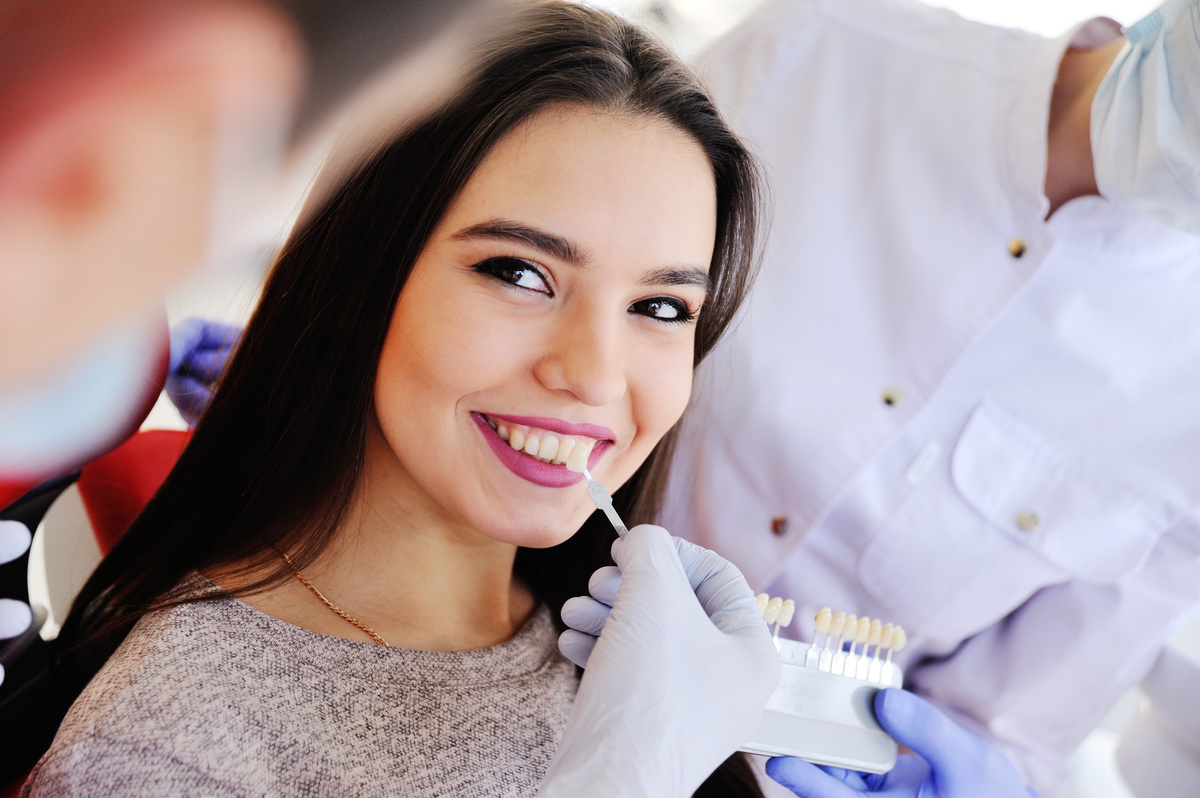
Some of the most frequently requested single-treatment options include professional teeth whitening, dental bonding, and minor enamel contouring. Professional whitening brightens the overall shade of your teeth and can often be completed in one visit. Dental bonding uses a tooth-colored resin to cover chips, cracks, or small gaps, and it also typically takes just one appointment to complete. According to the Cleveland Clinic, dental bonding can conceal a range of cosmetic flaws including chips, cracks, and discoloration with minimal preparation required.
These treatments work best when your underlying oral health is already in good shape and you’re looking to make a targeted improvement. If you’re happy with the overall look of your smile but have one thing you wish you could change, a quick fix may be the right fit.
What Is a Complete Smile Makeover?
A smile makeover is a customized treatment plan that combines two or more procedures to address multiple concerns at once. Rather than treating one issue in isolation, a makeover looks at the full picture, considering color, shape, size, alignment, and how everything works together as a whole.
How a Smile Makeover Is Planned
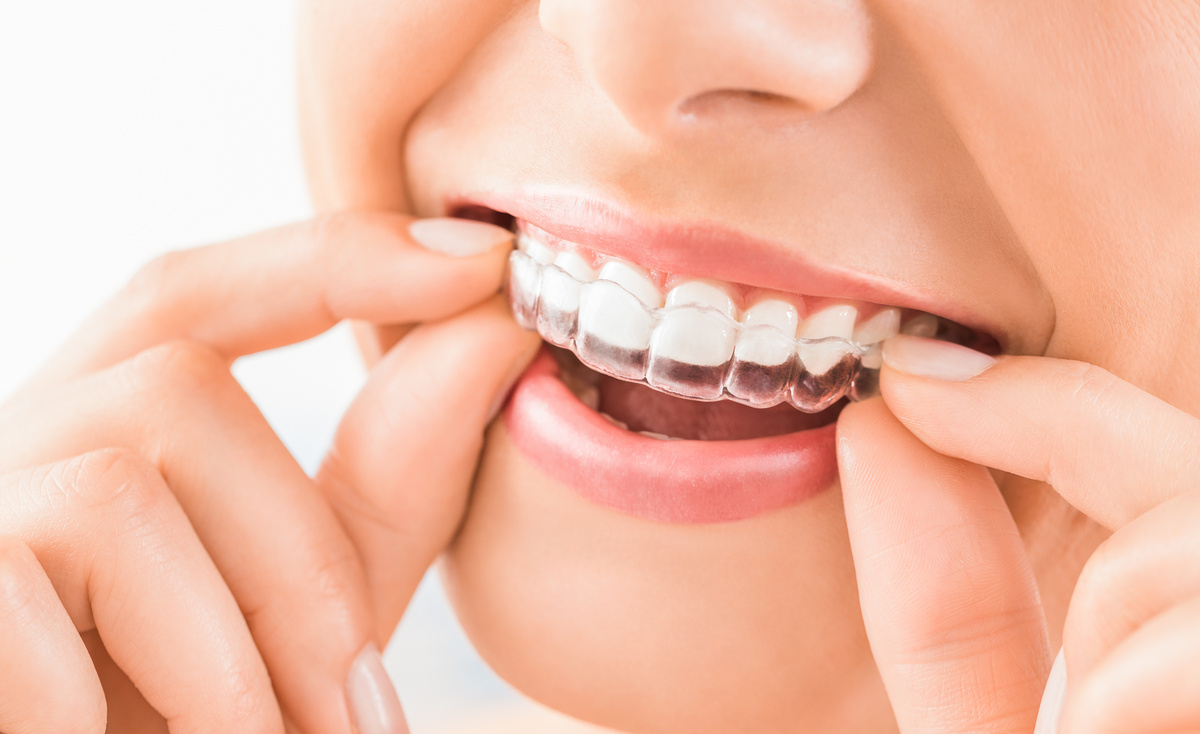
The planning process starts with a thorough consultation and evaluation of your current oral health. Any underlying issues, such as decay, gum disease, or bite problems, are addressed first to create a stable foundation. From there, a treatment plan is built around your goals and timeline. A makeover might include a combination of porcelain veneers, clear aligners, whitening, and other procedures depending on what your smile needs.
When a Smile Makeover Makes Sense
A complete makeover is often the right choice when multiple concerns exist at once, such as staining alongside chips and gaps, or when alignment issues are affecting both the appearance and function of your bite. It’s also a strong option if you have an upcoming milestone, like a wedding or a major career change, and want a more dramatic, lasting result. At Church Family Dentistry and Cosmetics, Dr. Church uses advanced technology, including cone beam imaging and modern diagnostic tools, to help map out a realistic and personalized plan before any treatment begins.
The Key Differences Side by Side
The most important distinction between a quick fix and a full makeover comes down to scope. A quick fix handles one concern, requires fewer appointments, and has a lower overall cost. A smile makeover addresses multiple concerns, involves more planning, and takes more time to complete, but the results reflect the full picture of your smile. Both are valid paths, and neither is inherently better. The right choice depends entirely on your unique situation.
Another practical difference is longevity. Treatments like professional whitening may need to be repeated over time, while more involved restorations, including veneers and same-day crowns, are designed to last for many years with proper care. A good consultation will help you weigh the short-term and long-term value of each option before committing to a path.
How do I know if I need a quick fix or a full smile makeover?
The answer usually comes down to how many concerns you want to address and how comprehensive the result needs to be. If you have one specific thing bothering you, like a chipped tooth or surface discoloration, a targeted single treatment is likely sufficient. If you have multiple overlapping issues, such as staining, uneven spacing, worn edges, or both aesthetic and functional concerns, a makeover allows those to be addressed in a coordinated sequence rather than piecemeal. A consultation with Dr. Church is the clearest way to find out, because he’ll assess your current oral health and tell you honestly which path fits your goals and timeline.
How long does a smile makeover take to complete?
The timeline depends entirely on which procedures are included and the sequence in which they need to happen. A makeover that involves clear aligner treatment followed by veneers could take 12 to 18 months. A combination of whitening and bonding might be completed in a few appointments over a couple of weeks. Dr. Church maps out the full treatment plan during your consultation, including the expected timeline for each phase, so you have a realistic picture before any work begins.
Is cosmetic dentistry covered by dental insurance?
Most elective cosmetic procedures, including teeth whitening, dental bonding for purely aesthetic purposes, and veneers, are not covered by dental insurance. However, some restorative work that also carries cosmetic benefits, like crowns or bonding for structural damage, may have partial coverage depending on your plan. Church Family Dentistry and Cosmetics is a fee-for-service practice, which means we will walk you through the costs clearly before any treatment begins. Flexible financing through Cherry, Sunbit, and Proceed is available to make the care you want more accessible.
What is the least invasive cosmetic dentistry option?
Teeth whitening and dental bonding are among the least invasive cosmetic options available. Professional whitening requires no alteration of the tooth structure at all, while dental bonding requires only minimal preparation of the tooth surface in most cases. Both procedures can be completed in a single appointment and produce noticeable results without surgery or significant recovery time. If you’re looking to make a cosmetic improvement with the smallest possible impact on your natural teeth, these are typically the best starting points.
Choosing the Right Path at Church Family Dentistry and Cosmetics
Dr. Will Church built Church Family Dentistry and Cosmetics around the belief that good dentistry starts with listening. He takes the time to understand what you’re hoping to accomplish, reviews your oral health in full, and gives you clear information so you can make a confident decision. Our approach combines state-of-the-art technology with a patient-first philosophy, meaning you always know what to expect before treatment begins.
Whether you’re curious about a single cosmetic improvement or ready to discuss a more comprehensive plan, we’re here to help you find the right fit. Contact our office today to schedule a consultation with Dr. Church and take the first step toward a smile you feel proud of.