Medically Reviewed by Dr. Will Church, DDS on September 23, 2026
Losing a tooth changes more than just your smile. It can affect how you eat, how you speak, and even how confident you feel in everyday moments. Dental implants have become one of the most trusted solutions for replacing missing teeth because they function like natural teeth from root to crown, offering results that look, feel, and perform like the real thing. If you’ve been wondering what the process actually involves, understanding each step can make the entire journey feel far less daunting.
At Church Family Dentistry, Dr. Will Church guides Durham patients through the implant process with clear communication and genuine, personalized care. With his training at UNC and a commitment to making sure each patient fully understands their options, Dr. Church takes the time to walk you through every phase before anything begins.
Step One: The Initial Consultation and Treatment Planning
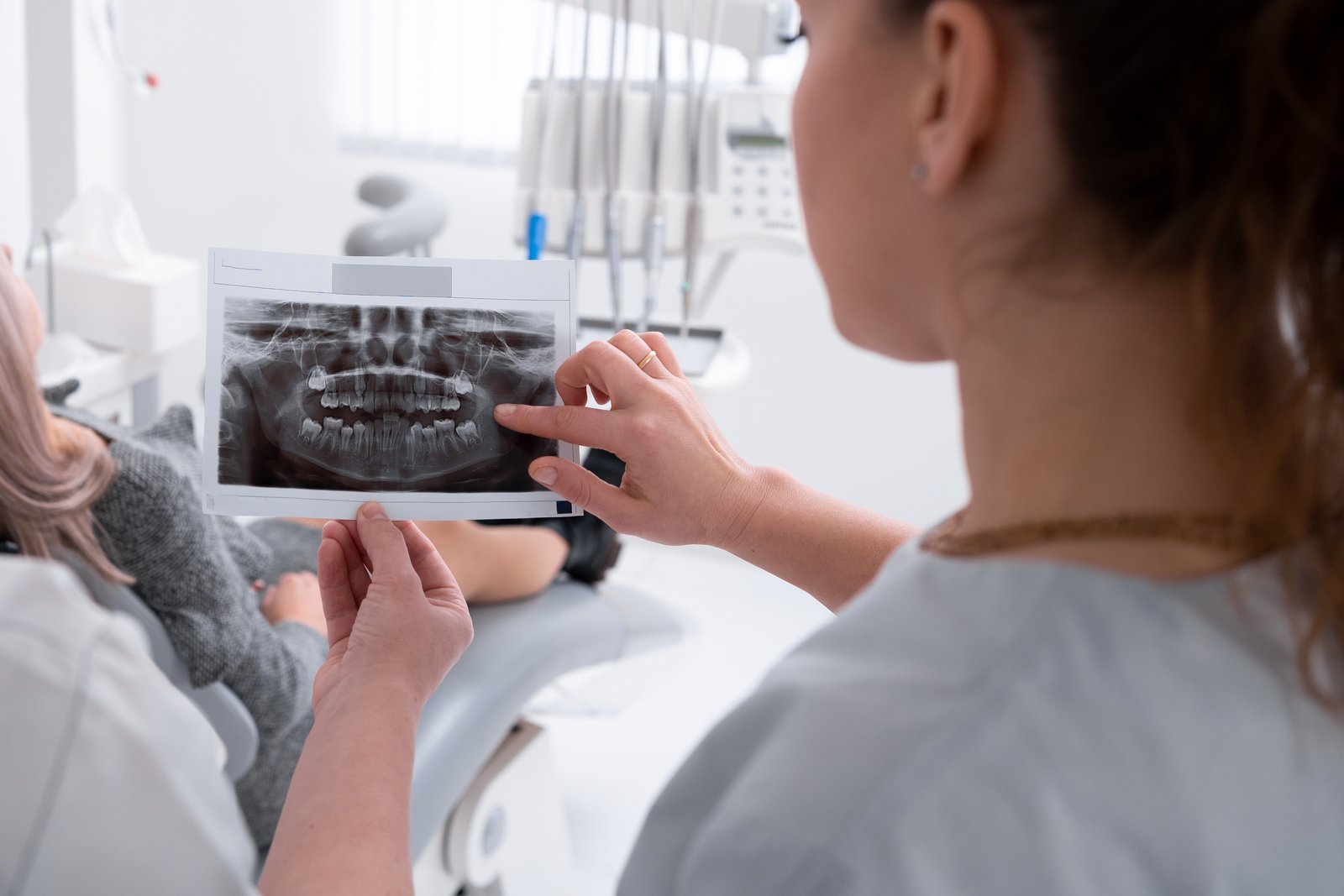
Before any procedure begins, a thorough consultation is conducted to evaluate your oral health and discuss your goals. Dr. Church uses advanced imaging technology, including a cone-beam unit that produces precise three-dimensional images of your jaw and bone structure, to create a detailed picture of your treatment.
This step also determines whether you are a good candidate for implants. Factors like bone density, gum health, and overall health all play a role. If bone volume needs to be built up before placement, bone grafting may be incorporated into the plan. Every treatment is mapped out carefully so there are no surprises along the way.
Step Two: Implant Placement and Osseointegration
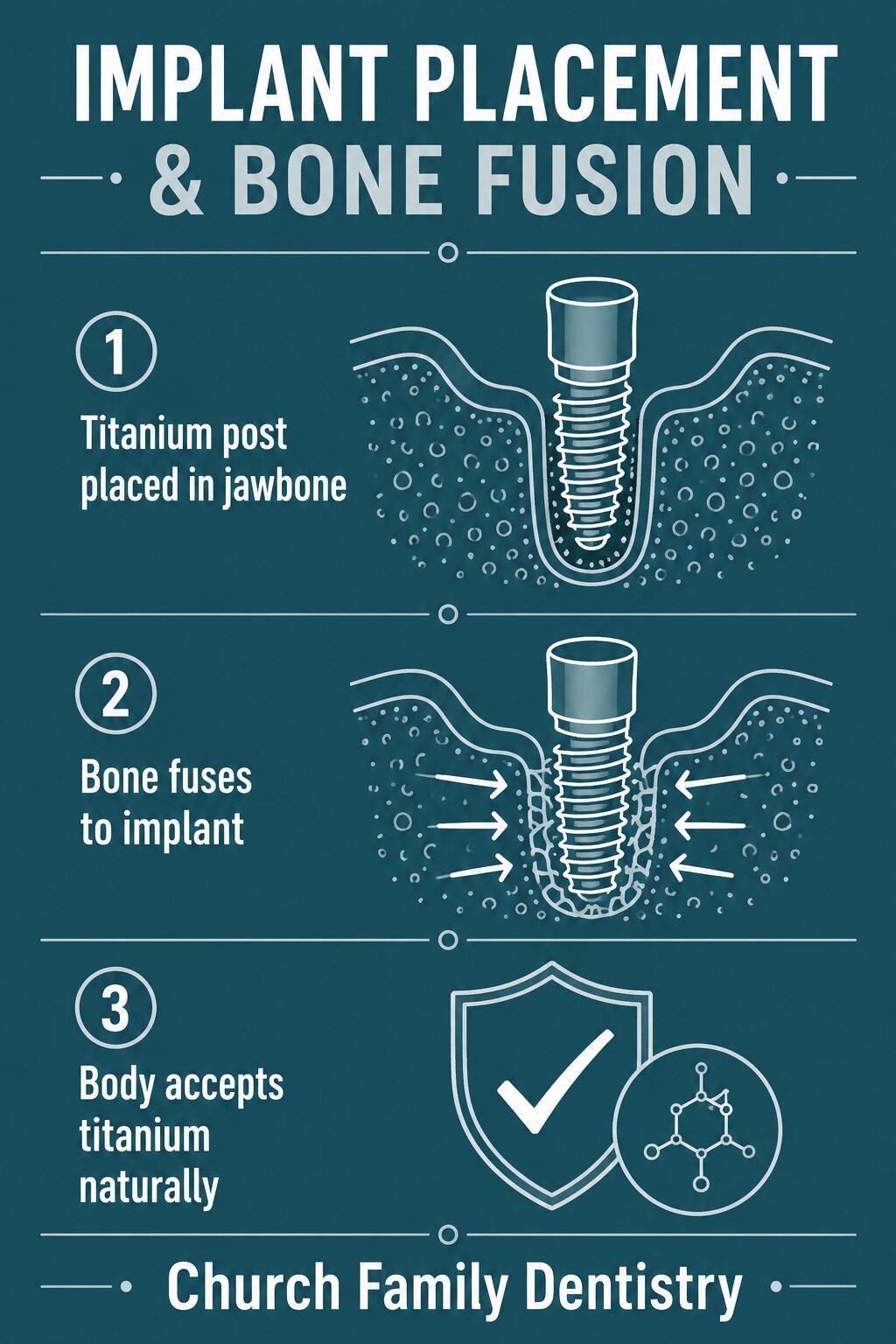
Once your treatment plan is finalized and your mouth is ready, the implant placement procedure can begin. A small titanium post is surgically placed into the jawbone where your missing tooth root once sat. Because titanium is biocompatible, your body accepts it naturally and begins fusing with it over time.
This fusion process is called osseointegration. Research published by the National Institutes of Health confirms that osseointegration is the direct structural and functional connection between living bone and the implant surface, and that it gives implants their exceptional long-term stability. The healing period typically spans several months, and Dr. Church’s team provides detailed aftercare guidance to support a smooth recovery throughout the process.
What to Expect While You Heal
Most patients experience mild soreness or swelling in the days following surgery, both of which resolve quickly. For patients who feel anxious about dental procedures, we offer sedation dentistry to keep the experience as comfortable as possible. Regular checkpoints during healing ensure that osseointegration is progressing as expected before moving forward.
Step Three: Abutment Placement and Your Final Restoration
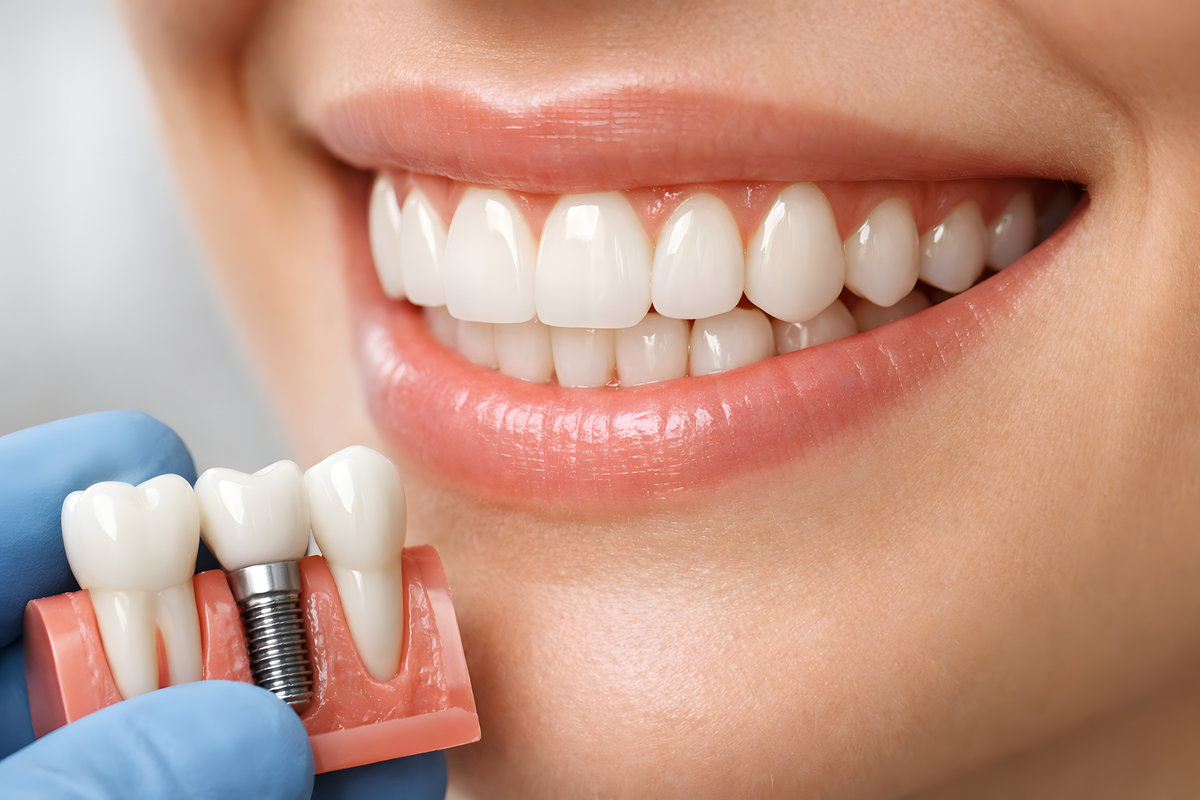
Once the implant has fully integrated with the bone, a small connector piece called an abutment is attached to the top of the post. This piece serves as the foundation for your final restoration. A custom crown is then crafted to match the color, shape, and size of your surrounding teeth.
The specifics of this phase vary depending on your treatment. Whether you are receiving a single-tooth implant or a more involved solution like implant-supported dentures, the goal is the same: a restoration that looks natural and functions without compromise. The final restoration phase involves the following:
- Abutment placement: The connector is secured to the integrated implant post
- Impressions or digital scans: Used to design a crown that fits precisely with your bite
- Crown delivery: The custom crown is seated and adjusted for a seamless, comfortable fit
Once the crown is in place, most patients are pleasantly surprised by how natural it feels. There are no adhesives, no removal at night, and no sliding or shifting to worry about.
Begin Your Implant Journey at Church Family Dentistry
The dental implant process takes time, but the outcome is one that can genuinely transform how you eat, speak, and feel about your smile. From the first consultation to the final crown placement, every step is designed to build toward a result that is both functional and lasting. If you have been missing a tooth for some time or are preparing for an extraction, exploring your implant options sooner rather than later is important, as bone loss can begin quickly after a tooth is lost.
Dr. Will Church brings a patient-first approach to implant dentistry in Durham, combining advanced technology with thoughtful care that keeps patients coming back for years. As a member of the American Academy of Implant Dentistry, he brings a high level of expertise and dedication to this area of treatment. We also offer flexible financing through Cherry, Sunbit, and Proceed, and virtual consultations are available to help you get started on your own schedule. Contact our team today to take the first step toward restoring your smile.
How long does the full dental implant process take?
The timeline varies depending on your specific situation. A straightforward single-tooth implant typically spans several months, largely because osseointegration takes three to six months to complete. If bone grafting is needed before placement, additional healing time is added to the sequence. Dr. Church maps out the full timeline at your consultation so you know what to expect at each phase.
Is dental implant surgery painful?
Most patients find the procedure manageable with local anesthesia. Mild soreness and swelling in the days following surgery are common and resolve relatively quickly. Sedation dentistry is available for patients who feel anxious about the procedure. Dr. Church provides detailed aftercare instructions to support a smooth recovery, and his team checks in throughout the healing period.
What happens if I do not replace a missing tooth?
When a tooth is lost, the jawbone in that area no longer receives stimulation from chewing and begins to resorb over time. This bone loss can accelerate, affect neighboring teeth, alter the shape of the jaw, and reduce the feasibility of implant placement in the future. Exploring your implant options sooner rather than later helps preserve the bone that remains and keeps more treatment options available.
Do I need to be in perfect health to get dental implants?
Most patients in generally good health qualify for dental implants. Conditions like uncontrolled diabetes, active gum disease, or significant bone loss may require evaluation or treatment before placement can proceed. Dr. Church uses advanced cone beam imaging to assess bone density and jaw structure in detail before recommending a treatment plan, so every decision is based on a thorough picture of your individual situation.
ABOUT THE AUTHOR
Dr. Will Church, DDS
Dentist at Church Family Dentistry & Cosmetics, Durham, NC
Dr. Will Church earned his dental degree from UNC School of Dentistry and founded Church Family Dentistry & Cosmetics in Durham, NC. He uses advanced cone beam imaging technology and takes a patient-first approach to every treatment, listening carefully before recommending any procedure. Dr. Church serves the Durham community with comprehensive cosmetic and restorative dental care.