Waking up one morning and realizing your dentures no longer fit the way they used to, or watching a loose tooth finally give way, can feel like a turning point. Many people reach a stage where multiple missing or failing teeth make eating, speaking, and smiling with confidence genuinely difficult, and traditional dentures or single implants no longer feel like enough.
At Church Family Dentistry & Cosmetics, we understand that deciding on a full-arch solution is a significant decision, and we want our patients in Durham to walk in with realistic expectations. All-on-X has become one of the most talked-about options for replacing an entire arch of teeth, but the details matter just as much as the concept, and knowing what the procedure actually involves can make the process feel far less overwhelming.
What All-on-X Actually Means
All-on-X refers to a fixed, implant-supported replacement for a full arch of teeth, using a set number of strategically placed implants (the “X”) to anchor an entire bridge. Rather than replacing each missing tooth individually, this approach uses several implants angled and positioned to maximize contact with existing bone, which can reduce the need for separate bone grafting in many cases.
This is different from traditional dentures, which rest on the gums and can shift or click while eating or speaking. It’s also distinct from single-tooth dental implants, which replace one tooth at a time rather than restoring an entire arch. For patients who are already missing most or all of their teeth in an arch, or who are facing multiple extractions, All-on-X is often positioned as a long-term, fixed alternative.
Who Tends to Be a Good Candidate?
Not everyone with missing teeth needs a full-arch solution, and that’s an important distinction we walk through with patients considering this option. This treatment tends to be an effective solution for the following:
- Patients with significant tooth loss or failing teeth throughout an entire arch, rather than isolated gaps
- Denture wearers frustrated with slipping, discomfort, or difficulty chewing certain foods
- Patients with enough bone density to support implants, or who are candidates for techniques that work around bone loss
- Patients in good general health who can tolerate a surgical procedure and heal appropriately
- Patients looking for a fixed solution rather than a removable one
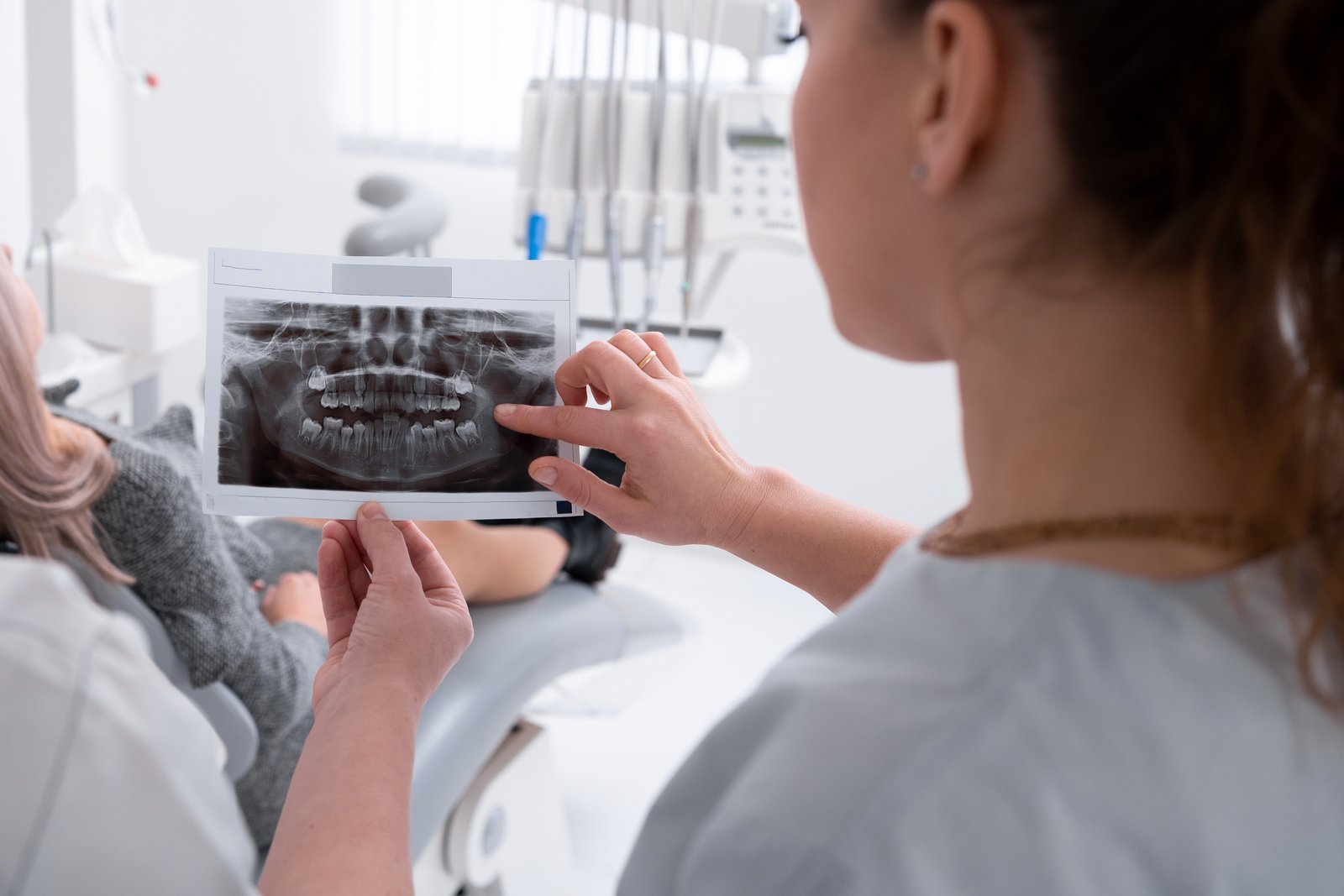
Every case is different, which is why a thorough evaluation, including imaging, health history, and a conversation about goals, matters before any treatment plan is finalized.
The Role of Technology in Treatment Planning
Precision matters enormously with full-arch procedures, since implant placement needs to account for bone quality, nerve location, and the eventual fit of the prosthesis. At our Durham practice, Dr. Church relies on smile design technology and a cone beam unit to map the jaw in detail before any implants are placed, allowing for more informed planning around implant angulation and depth.
That kind of detailed imaging is part of why full-arch outcomes have improved over time. A retrospective study on full-arch implant rehabilitation using dynamic 3D navigated surgery found that this level of surgical precision was associated with a very low rate of implant failure over a multi-year follow-up period, reinforcing how much planning technology contributes to long-term stability.
What Recovery and Long-Term Care Look Like
Recovery timelines vary from patient to patient, but most people can expect some swelling and tenderness in the days following surgery, along with a temporary prosthesis while the implants integrate with the jawbone. Full healing and placement of the final prosthesis typically happens months later, once the implants have properly fused.
Long-term success depends heavily on maintenance. Patients need to keep up with regular dental visits, practice consistent oral hygiene around the prosthesis, and address any grinding or clenching habits that could put extra strain on the implants. We also walk patients through what daily care looks like with a fixed full-arch restoration, since it differs from caring for natural teeth or removable dentures, and small habits early on tend to make a real difference over the following years.
Schedule Your Consultation With Church Family Dentistry & Cosmetics
If you’ve been living with failing teeth or uncomfortable dentures and want to know whether All-on-X could be the right path for you, Dr. Will Church and our team are here to walk through your options in detail. We’ll go over your imaging, your health history, and your goals together so you leave with a clear, honest picture of what treatment would involve.
Reach out through our contact page to schedule a consultation and find out if this could be the fixed, confident smile you’ve been looking for.