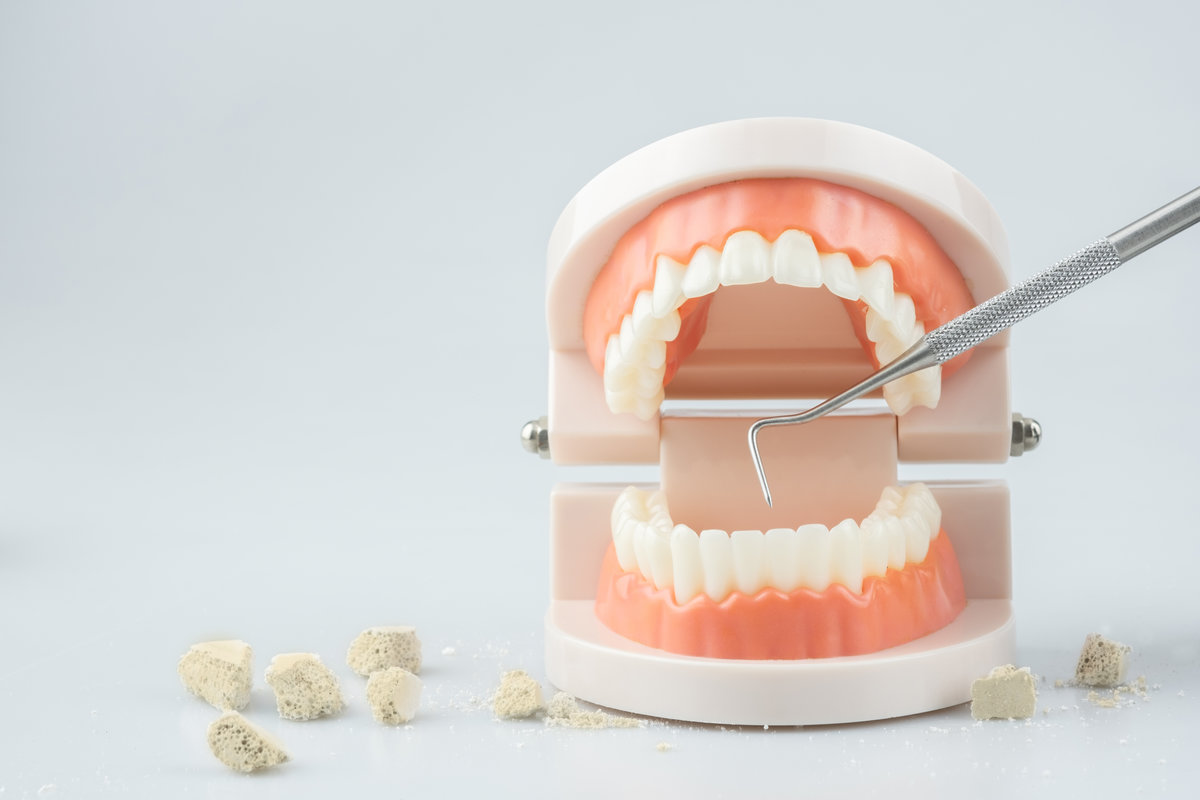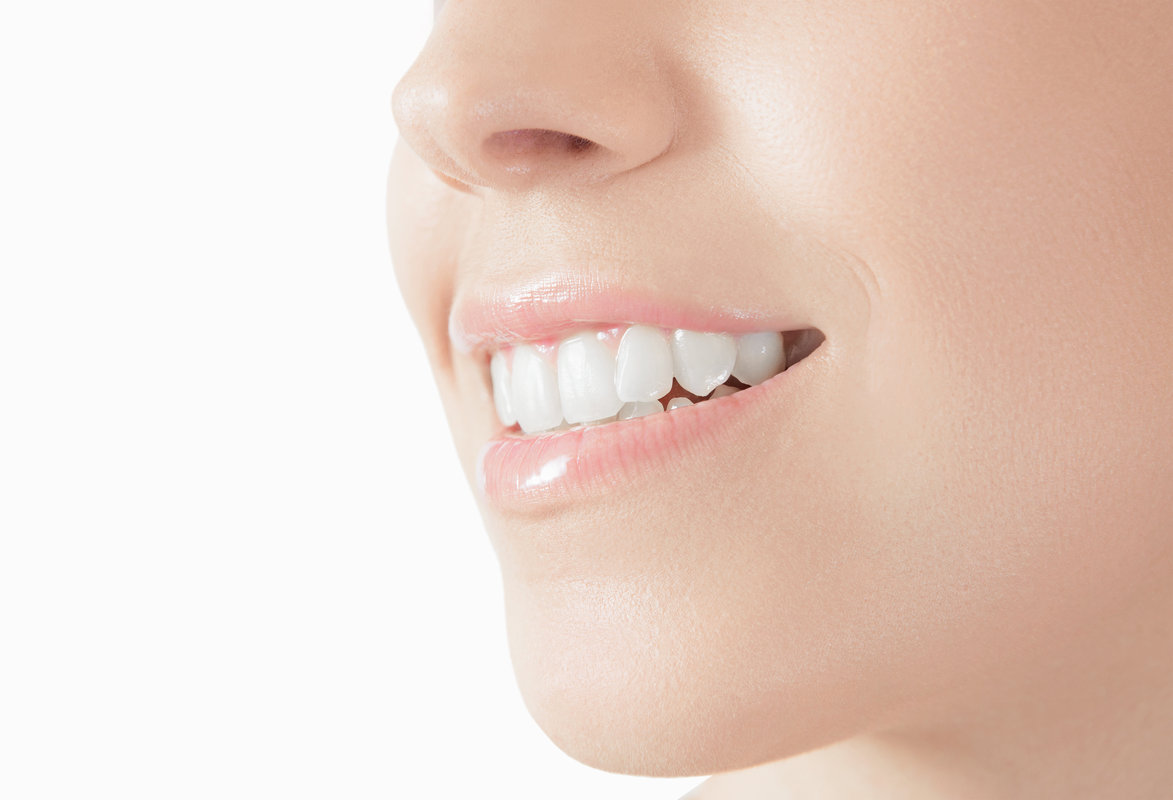
Staring at your smile in the mirror, you might notice a chip, a gap, or a stain that photos never seem to hide. You want a fix that looks natural and lasts, but the choice between two of the most popular cosmetic treatments can feel confusing when you are not sure what separates them. Porcelain veneers and composite bonding both reshape and brighten your smile, yet they work in very different ways, and picking the right one comes down to your goals, timeline, and budget.
At Church Family Dentistry & Cosmetics, we walk you through both options so you can make a confident, informed decision. Dr. Church takes time to understand what you want your smile to look and feel like before recommending a treatment plan, and we believe every patient deserves options that fit their life, not just their teeth.
What Are Porcelain Veneers?
Porcelain veneers are thin, custom-made shells that we bond to the front surface of your teeth. Each veneer is crafted to match the shade, shape, and translucency you want, which makes them one of the most natural-looking ways to correct chips, gaps, discoloration, or uneven teeth.
Because porcelain is a durable material, veneers tend to resist staining better than composite resin and can last well over a decade with proper care. The process usually takes two visits, since your veneers are designed and produced from precise impressions of your teeth before we bond them in place.
Who Porcelain Veneers Work Best For
Veneers are a strong fit if you want a long-term solution for multiple cosmetic concerns at once, especially if you are working toward a full smile makeover. They also hold their color more consistently over time, so if you drink coffee, tea, or red wine often, porcelain may keep your results looking fresh for longer than composite would.
What Is Composite Bonding?
Composite bonding uses a tooth-colored resin that we sculpt directly onto your tooth and harden with a curing light. Unlike veneers, bonding does not usually require removing any enamel, and in many cases, we can complete the entire treatment in a single visit.
Composite bonding is a great option for smaller fixes, like a chipped edge, a small gap, or a bit of reshaping. It costs less upfront than porcelain veneers, but the resin is more prone to staining and chipping over time, so it may need touch-ups or replacement sooner.
Comparing Cost, Timeline, and Longevity
Your decision often comes down to three factors: how much you want to invest, how quickly you want results, and how long you want them to last. Composite bonding is more budget-friendly and faster to complete, while porcelain veneers ask for a bigger upfront investment in exchange for a longer-lasting, more stain-resistant result.
Consider these points as you weigh your options.
- Composite bonding is typically less expensive per tooth than porcelain veneers.
- Bonding can often be finished in one appointment, while veneers usually take two.
- Veneers generally last longer and resist stains better than composite resin.
- Bonding is easier to repair or touch up if it chips.
Both treatments can dramatically improve your smile, and according to the American Dental Association, resin composites have continued to show strong survival rates and reliability as an esthetic, tooth-colored option for fillings and veneers alike.
How We Help You Decide
We know this decision can feel overwhelming, which is why Dr. Church takes the time to examine your teeth, listen to your goals, and explain how each option would look and function for your specific smile. If you have several teeth you want to address or you are drawn to a dramatic, long-term transformation, veneers may be the better investment. If you are working with a smaller budget or a single tooth that needs a quick fix, bonding might be all you need.
Whether you choose porcelain veneers or composite bonding, the right treatment is the one that matches your goals, timeline, and budget. Dr. Church combines advanced technology with a patient-first philosophy, so you always understand your options before committing to any treatment. Reach out through our contact form to schedule a consultation and find out which option is the right fit for your smile.