A cracked tooth or a jolt of pain when you bite down can turn an ordinary day upside down. These moments often catch people off guard, especially when the tooth looked fine just days earlier and the discomfort seems to come out of nowhere.
At Church Family Dentistry & Cosmetics, we see patients who come in unsure whether they need a filling, a crown, or something else entirely. Dr. Will Church takes time to listen to your concerns and walk you through your options so you understand what is happening and why before any treatment begins.
Common Signs a Crown May Be Needed
Tooth pain that lingers after eating something hot or cold often points to damage beneath the enamel. This kind of sensitivity can mean the tooth has weakened internally, even if the surface looks intact, and a crown restores strength while stopping the discomfort from progressing.
Visible cracks or chips are another signal worth taking seriously. A fractured tooth usually cannot be repaired with a filling alone, since the crack can spread toward the root if left unprotected. A crown wraps around the entire tooth, holding the structure together and preventing further damage.
Grinding your teeth at night is a common but often unnoticed cause of gradual tooth wear. Many patients do not realize how much pressure grinding puts on their teeth until a dentist points out flattened edges or small fractures during an exam. A tooth that has undergone root canal therapy almost always needs a crown afterward because the procedure removes the tooth’s inner structure and leaves it more fragile without reinforcement.
A few signs are worth watching for between visits:
- Sharp pain when biting down on certain foods
- A visible crack, chip, or rough edge on a tooth
- Ongoing sensitivity to hot or cold that does not fade
- A tooth that feels loose or shifts slightly
- A large, older filling that looks worn or discolored
If you notice any of these, it is worth scheduling an exam rather than waiting to see if the issue resolves on its own. Left unaddressed, small problems can turn into bigger ones that require more extensive treatment.
What Happens During a Crown Appointment?
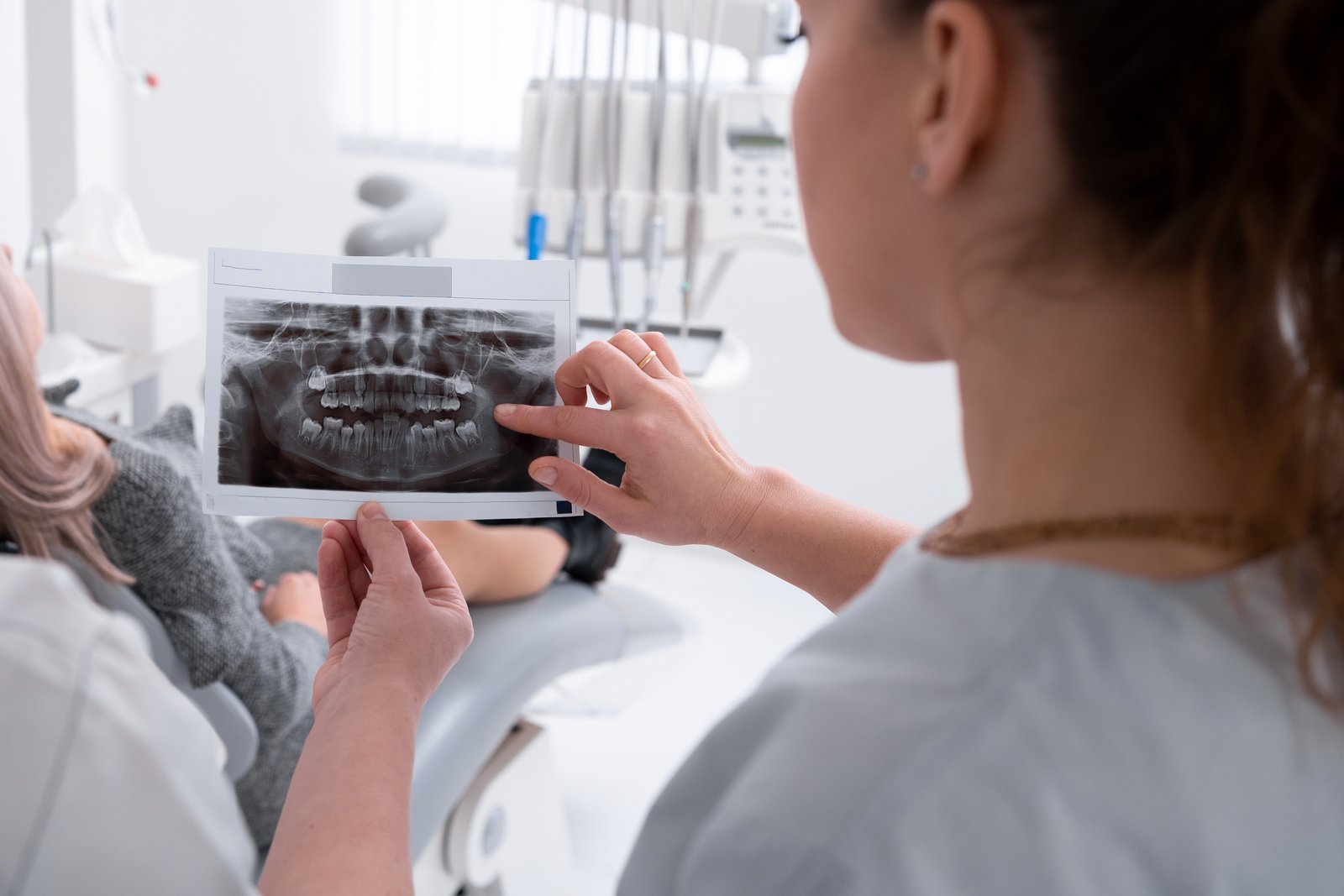
The process starts with a thorough exam and, if needed, digital imaging to see the full extent of the damage. Dr. Church uses advanced technology, including a cone beam unit, to get a clear picture of what is happening below the surface before recommending treatment.
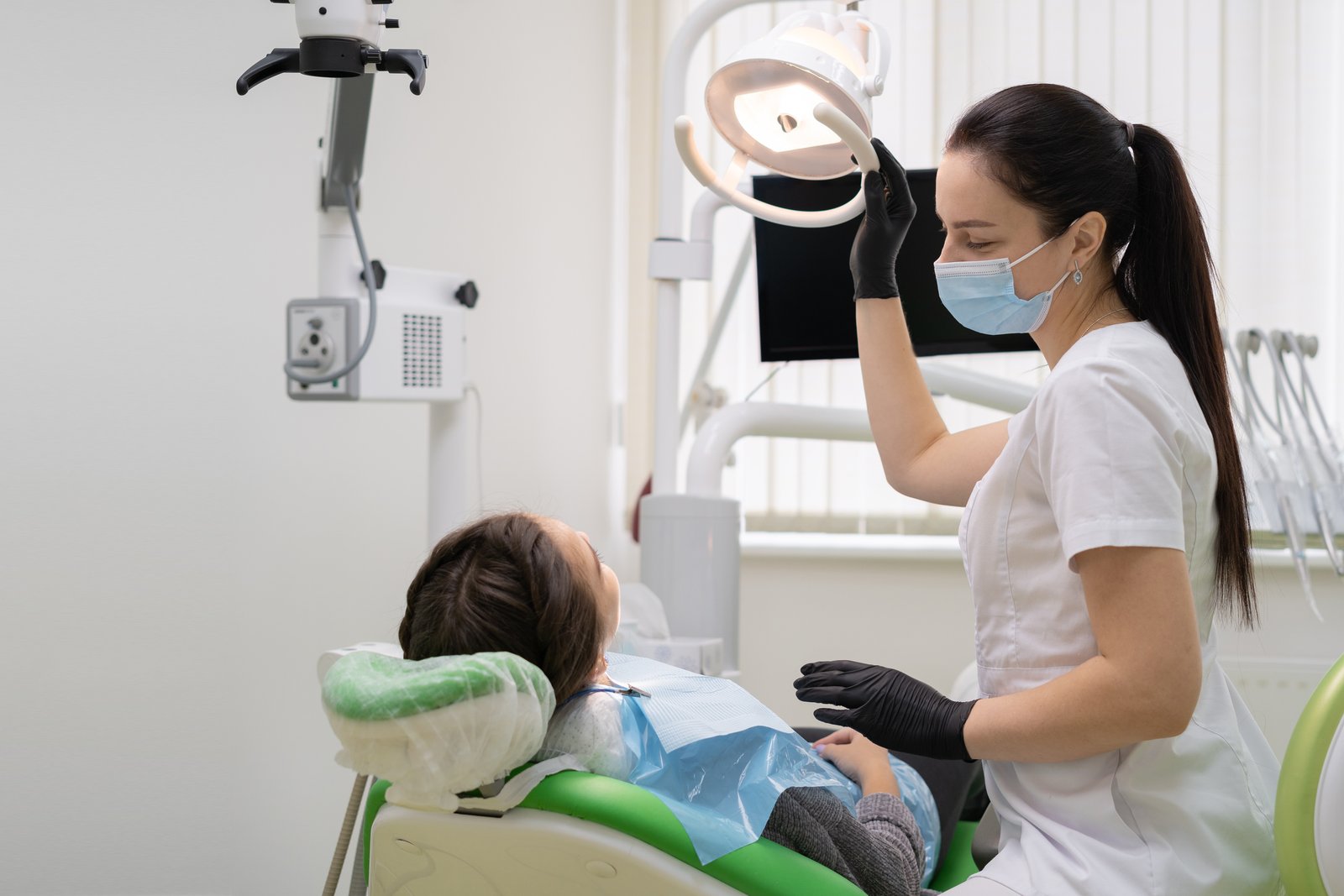
Once a crown is recommended, the tooth is gently reshaped to make room for the new covering. We take an impression or digital scan so the crown fits precisely and matches the shape and color of your surrounding teeth. Patients typically wear a temporary crown for a short period while the permanent one is custom-made.
We are proud to offer a turnaround where most patients have their permanent crown ready in just two days, which means less time wearing a temporary and less disruption to your routine. Once the permanent crown is ready, we check it for fit and bite, then bond it securely in place.
After Your Crown Is Placed
Most patients adjust to their new crown within a day or two and can return to eating normally. Mild sensitivity to temperature is common at first and typically fades as the tooth settles into place.
Caring for a crown is similar to caring for your natural teeth, though it helps to avoid biting down on very hard foods like ice or hard candy. Routine dental exams and cleanings allow us to check that the crown is holding up well and that the surrounding gum tissue stays healthy.
Learn Why Patients Choose Church Family Dentistry & Cosmetics
Dr. Church’s approach centers on listening first and clearly explaining every option, so you feel confident in whatever path you choose for your smile. With his training from UNC and a genuine focus on building long-term relationships with patients, Dr. Church treats every crown consultation as an opportunity to understand your goals rather than simply checking a box on a treatment plan.
If a crown may be part of your care, our team at Church Family Dentistry & Cosmetics is ready to walk you through what to expect from start to finish. You can reach out through our contact page to schedule an exam and get answers to any questions about your restorative dentistry options.