Reviewed by Dr. Will Church on September 22, 2026
If you’re researching orthodontic treatment, you’ve probably asked some version of this question: are clear aligners actually better than braces, or is it just marketing? The honest answer is that neither is universally better — they work differently, suit different cases, and come with different trade-offs. Understanding those differences is what helps you choose the right path for your smile.
At Church Family Dentistry & Cosmetics in Durham, NC, Dr. Will Church offers Candid Pro clear aligners as his primary orthodontic option for adults. He chose Candid Pro specifically — not just clear aligners generically — and understanding why helps illustrate how the two treatment systems compare on what actually matters.
How Each System Moves Your Teeth
Traditional braces use metal brackets bonded to each tooth, connected by archwires that your orthodontist periodically tightens. The hardware applies continuous pressure to move teeth along a prescribed path. Because the brackets are fixed, your provider controls every adjustment at each appointment.
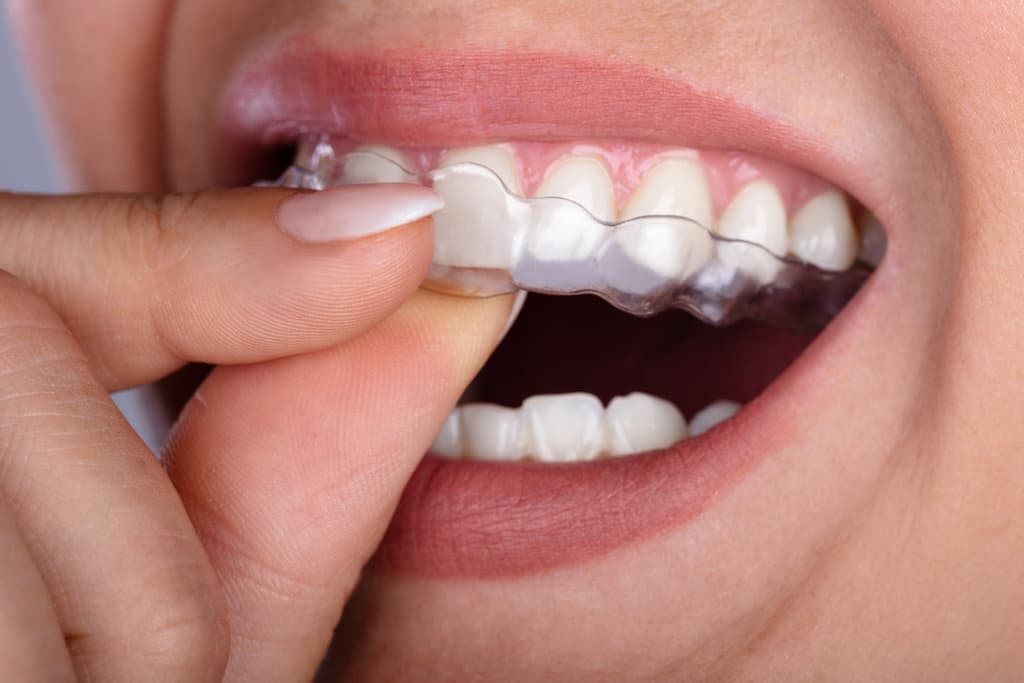
Clear aligners work differently. A series of custom-made plastic trays — each slightly different from the last — apply targeted pressure to gradually shift teeth into position. You wear each tray for one to two weeks before advancing to the next. The movement is mapped out digitally before treatment begins, so you and your provider can see the full plan from day one.
Both approaches are clinically effective for mild to moderate orthodontic concerns. Research published by the National Institutes of Health confirms that clear aligners achieve outcomes comparable to braces for many orthodontic issues, with success rates ranging from 80 to 90% in appropriate cases.
Appearance and Comfort
This is where clear aligners have a clear advantage for most adults. Metal brackets and wires are visible throughout treatment — typically 18 to 24 months or longer for complex cases. For Durham professionals, Duke faculty, and anyone navigating an active social or professional life, that visibility is a real consideration.
Clear aligners are nearly invisible when worn. Most people won’t notice them in conversation. They’re also smoother against the inside of your cheeks and lips than metal hardware, which means less irritation during treatment.
Braces do have one comfort advantage: you can’t forget to wear them. Because they’re fixed, compliance isn’t a variable. Clear aligners require 20 to 22 hours of wear per day — patients who consistently under-wear their trays extend their treatment or compromise their results.
Flexibility and Daily Life
Clear aligners are removable, which means no food restrictions. You eat whatever you want, then brush and rinse before putting the trays back in. Cleaning is straightforward — your oral hygiene routine stays essentially the same as before treatment.
With traditional braces, certain foods are off-limits (anything hard, sticky, or chewy that can bend wires or dislodge brackets). Cleaning around brackets requires more effort and different tools. For patients who are disciplined about aligner wear, the flexibility of a removable system is a meaningful quality-of-life benefit.
Appointments and Monitoring
Braces require in-office adjustments roughly every four to six weeks. Missing appointments extends treatment and can affect results. For busy adults, that visit cadence adds up over an 18+ month treatment course.
Candid Pro clear aligners include built-in at-home monitoring through the ProMonitoring app. You scan your teeth at home on a regular schedule, and Dr. Church reviews your progress remotely. You come in when your provider actually needs to see you — not just to confirm things are on track. This reduces the overall appointment burden significantly, which matters for patients commuting to our Durham office from Chapel Hill, Carrboro, or Hillsborough.
What Each System Treats Well
Clear aligners handle crowding, spacing, overbites, underbites, and crossbites well — particularly for mild to moderate cases. They’re the right choice for most adults seeking orthodontic treatment who don’t have complex skeletal or bite issues.
Traditional braces remain the stronger option for severe crowding requiring extractions, significant jaw discrepancies, or cases with complex three-dimensional tooth movements that exceed what aligner trays can predictably achieve. Dr. Church evaluates your case honestly and will say so if your situation calls for a different approach.
The Candid Pro Difference
Not all clear aligner systems are the same. Candid Pro includes U.S.-based orthodontist oversight on every treatment plan — a licensed orthodontist partners with Dr. Church to review the details before a single tray is made. The system uses fewer attachments than many competing options, which improves comfort and appearance. And every case includes free refinements for up to three years post-treatment, so minor adjustments after your initial series ends are covered.
Many patients who come in asking about Invisalign leave with Candid Pro after learning the difference. If you’d like to understand your options in detail, contact our Durham office to schedule a consultation with Dr. Church.
Frequently Asked Questions: Clear Aligners vs. Braces
Are clear aligners as effective as traditional braces?
For mild to moderate orthodontic cases — crowding, spacing, overbites, underbites, crossbites — clear aligners produce outcomes comparable to braces. Research published by the NIH puts success rates between 80 and 90% for appropriate cases. Severe crowding, complex bite issues, or cases requiring significant jaw repositioning may still call for traditional braces. A thorough evaluation is the only way to know which is right for your specific situation.
How long does each treatment take?
Clear aligner treatment typically runs 12 to 18 months for most adult cases. Traditional braces for adults often run 18 to 24 months or longer depending on case complexity. Both timelines depend on the degree of movement needed and how consistently the patient follows through — for aligners, that means consistent wear of 20 to 22 hours per day.
Who is a good candidate for clear aligners?
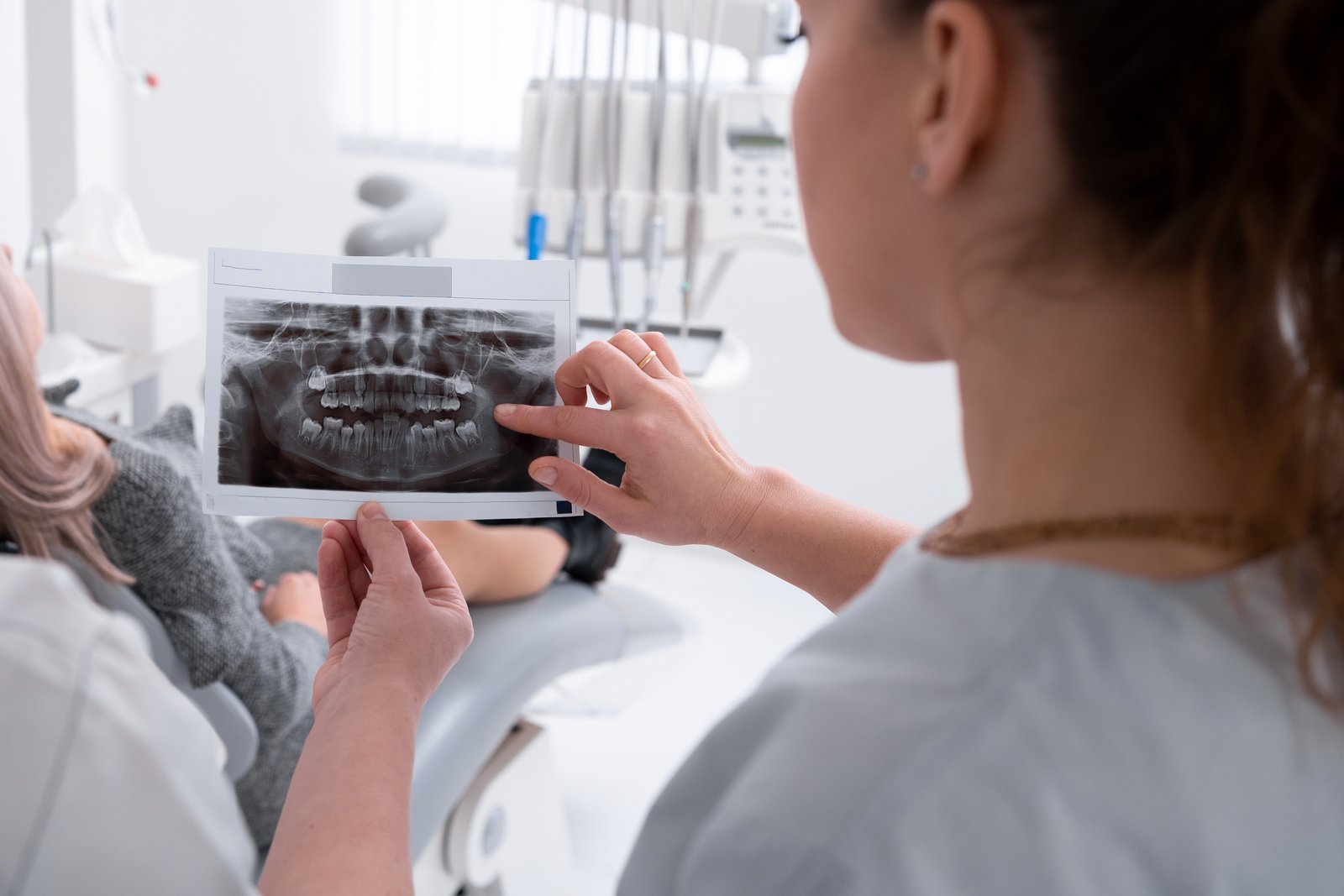
Most adults with mild to moderate crowding, spacing, or bite concerns are good candidates for clear aligners. The key factors are healthy gums, the nature of the correction needed, and a realistic commitment to wearing the trays consistently. During your consultation, Dr. Church uses cone beam CBCT imaging to assess your full dental structure and give you an honest read on whether aligners are the right fit for your case.
Do clear aligners cost more than braces?
Costs vary by case complexity and provider. Clear aligners and traditional braces are often in a similar price range for adult cases, though this depends on the specific system and the extent of treatment needed. At Church Family Dentistry & Cosmetics, financing is available through Cherry, Sunbit, and Proceed. Some insurance plans also cover a portion of orthodontic treatment. We review costs with you before any commitment is made.
Can I switch from braces to clear aligners mid-treatment?
In some cases, yes — patients who started with traditional braces and want to finish with clear aligners can transition if their remaining tooth movements are within what aligner therapy can handle. This depends on what’s already been achieved and what still needs to happen. Dr. Church can evaluate where you are in treatment and whether a switch makes sense for your remaining correction needs.
About the Author
Dr. Will Church
Church Family Dentistry & Cosmetics, Durham, NC
Dr. Will Church is the dentist and founder of Church Family Dentistry & Cosmetics in Durham, North Carolina. Trained at UNC School of Dentistry, Dr. Church focuses on clear aligner therapy, cosmetic dentistry, and technology-forward care for patients throughout the Triangle area. He is the only authorized Candid Pro provider in Durham, offering built-in at-home monitoring and free refinements with every case.