
You finished your orthodontic treatment, your teeth are straight, and then you notice them — chalky white spots scattered across the front of your smile. It is one of the most frustrating things patients experience after braces or aligners, and the hard truth is that whitening will not touch them. Those spots are not surface stains. They are areas where the enamel has lost minerals, and they scatter light differently than the healthy tooth around them, which is exactly why they stand out. According to a 2025 systematic review published in PubMed, more than half of orthodontic patients develop white spot lesions by the time treatment is complete. If you have been looking for a way to actually get rid of them, white spot removal in Durham may have an answer you have not heard of yet.
At Church Family Dentistry & Cosmetics, Dr. Will Church offers Icon Resin Infiltration as a minimally invasive, no-drill way to treat white spot lesions and restore a more uniform smile. He has been using it in practice and calls it a popular option — especially for patients who have just wrapped up clear aligner treatment and want their new smile to actually look the way they imagined it would.
So What Is Icon Resin Infiltration, Anyway?
Icon is a product by DMG Dental, and the concept behind it is genuinely clever. Instead of drilling away the discolored enamel or covering it with something artificial, Icon works by filling in the microscopic pores inside the lesion with a clear, liquid resin. Those pores are what cause the white spot in the first place — light hits them and scatters, making the area look opaque. Once the resin fills in and hardens, the spot takes on the same optical properties as the healthy enamel around it and blends away.
The whole process is done without any drilling, without anesthesia in most cases, and without removing healthy tooth structure. It is one of the few cosmetic treatments that actually addresses the underlying cause of the discoloration rather than just masking it.
What Causes White Spots in the First Place?
White spots can show up for a few different reasons, and knowing which kind you have matters for treatment. The most common cause — especially in patients we see after clear aligner treatment — is enamel demineralization. When plaque sits against the tooth surface during orthodontic treatment, acids from bacteria gradually pull minerals out of the enamel. The result is a subsurface lesion that appears white and chalky once the brackets or aligners come off.
White spots can also develop from fluorosis, which happens when too much fluoride is ingested during childhood while the teeth are still forming. Trauma, certain developmental conditions, and hypomineralization can cause them too. The appearance is similar across these causes, but the underlying structure of the lesion is slightly different — which is why Dr. Church evaluates each case before recommending Icon to make sure it is the right fit.
What Does the Treatment Actually Feel Like?
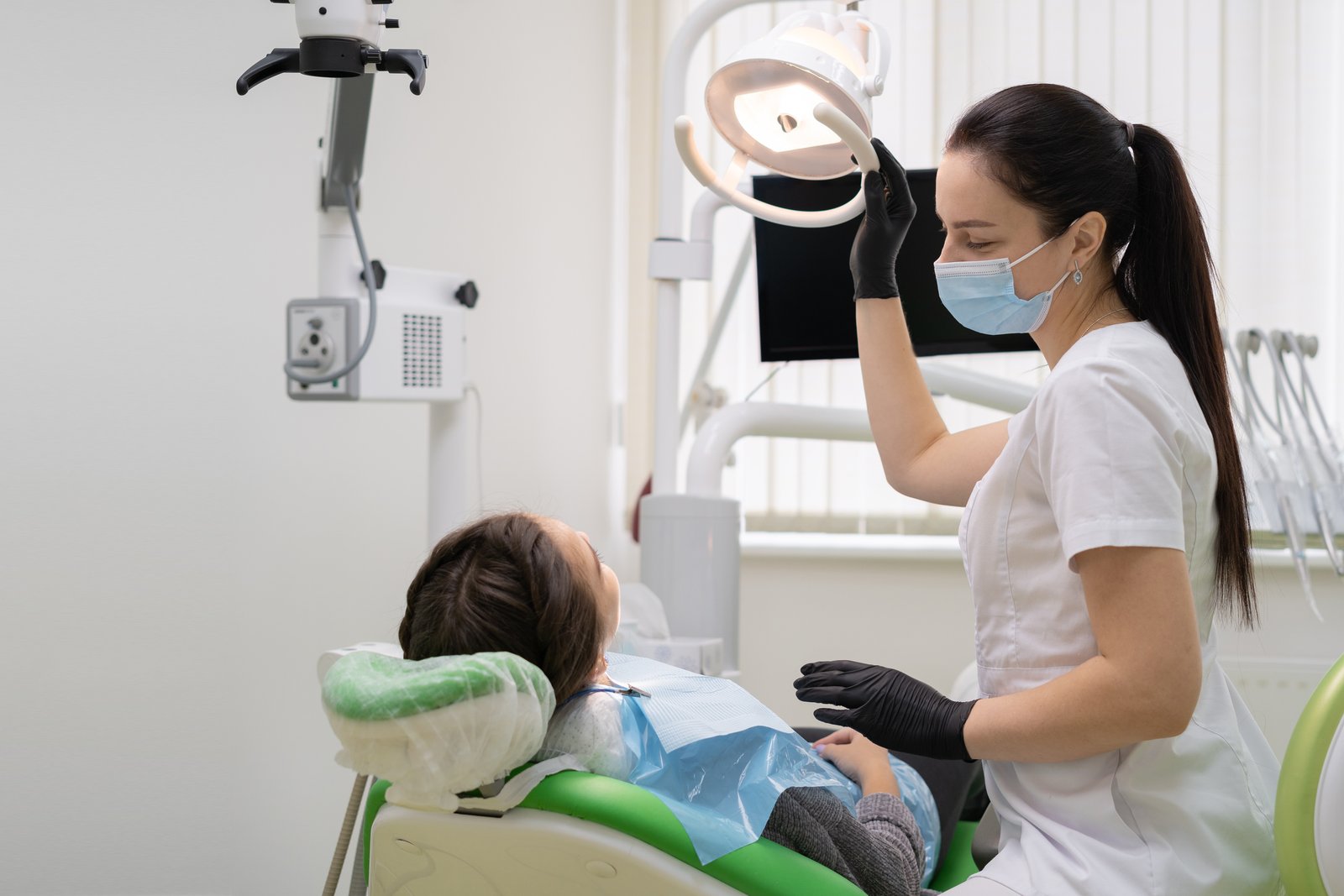
Most patients are surprised by how straightforward the appointment is. Here is a general sense of what to expect from the process:
- Cleaning and preparation: the tooth surface is cleaned and isolated with a rubber dam to keep everything dry and controlled.
- Conditioning: a mild acidic gel is applied to open up the pores of the lesion, allowing the resin to penetrate deeply into the enamel.
- Resin application: the Icon infiltrant — a clear, highly fluid resin — is applied and drawn into the lesion through capillary action, filling the porous spaces from the inside.
- Light-curing: the resin is hardened with a curing light and the process is repeated to fill any remaining voids.
- Polishing: the treated area is polished smooth to blend naturally with the surrounding tooth.
The whole appointment typically takes less than an hour, and there is no recovery time to plan around afterward. Results are often visible immediately.
How Does Icon Compare to Other Options?
Patients sometimes ask whether porcelain veneers or bonding might be a better route for white spots. In some cases they are — particularly when there is significant discoloration across multiple teeth or other cosmetic concerns that need addressing at the same time. But for patients whose primary concern is the white spots themselves and whose teeth are otherwise healthy, Icon is almost always the more conservative starting point.
Veneers and bonding cover the spot from the outside. Icon fills the lesion from the inside without removing any natural tooth structure. That distinction matters a lot when you are talking about teeth that are otherwise in great shape after completing orthodontic treatment.
Come Talk to Dr. Church About Your Options
Dr. Will Church trained at UNC School of Dentistry and built his practice around the idea that good cosmetic care starts with a genuine conversation about what is bothering you. He takes that same approach to cosmetic dentistry in Durham whether the concern is white spots, alignment, or a full smile refresh. Cherry, Sunbit, and Proceed financing are all available to help make treatment accessible.
If white spots have been getting in the way of loving your smile, reach out to schedule a consultation with Dr. Church — we would love to help you figure out the best path forward.