
Medically Reviewed by Dr. Will Church, DDS on September 23, 2026
Porcelain veneers are one of the most searched cosmetic dentistry topics, but most of what patients read online focuses on what veneers look like and how they work. What gets less attention is the question most patients actually arrive with: am I even a candidate for this?
The answer isn’t always yes, and a good cosmetic dentist will tell you that upfront. At Church Family Dentistry & Cosmetics in Durham, NC, Dr. Will Church evaluates candidacy carefully before recommending porcelain veneers — not because he’s discouraging treatment, but because veneers placed on the wrong foundation don’t last and don’t serve patients well. This post walks through what that evaluation actually looks at.
The Foundation Has to Come First
Veneers are a cosmetic treatment, which means they work best on a healthy mouth. Active decay, gum disease, or failing restorations aren’t just red flags — they’re disqualifiers until resolved. Bonding porcelain over a tooth with underlying decay doesn’t fix the problem; it hides it temporarily and typically makes it worse.
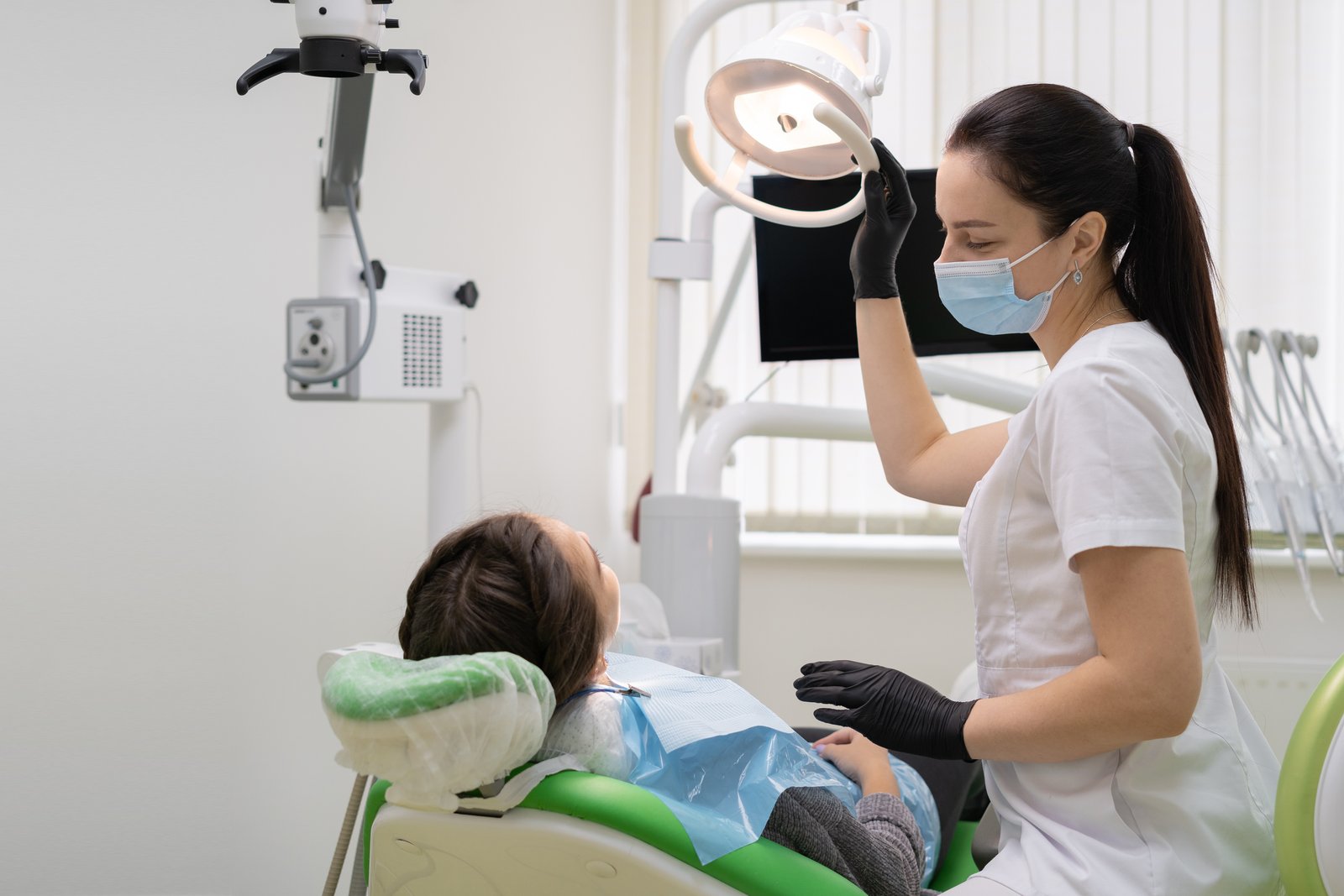
Before candidacy for veneers can even be assessed, Dr. Church completes a full clinical evaluation. If gum disease is present, that gets treated first. If there’s decay, it gets restored. Routine dental exams are part of that baseline — patients who haven’t had a cleaning or exam in some time often find there’s work to do before cosmetic treatment is appropriate.
This sequencing isn’t a barrier to veneers. It’s part of the process, and Dr. Church maps it out clearly during the consultation so you know exactly what the path looks like.
The Enamel Question
Veneers bond to enamel. During preparation, a thin layer — typically 0.3 to 0.5mm — is removed from the front surface of the tooth to allow the veneer to sit flush. This means two things matter: you need sufficient enamel remaining for both the preparation and the bond, and you need to understand that once that enamel is removed, the tooth will always require a veneer or similar restoration going forward.
Patients with significantly worn enamel — often from acid erosion, aggressive brushing, or long-term grinding — may not have enough surface for a stable bond. In those cases, Dr. Church will be direct about whether veneers are viable and what alternatives might serve you better.
Teeth Grinding Is a Real Consideration
Bruxism — habitual clenching or grinding — doesn’t automatically disqualify you from veneers, but it does need to be part of the conversation. Porcelain is durable, but sustained grinding pressure accelerates wear and increases the risk of chipping over time.
For patients who grind, Dr. Church typically discusses a custom nightguard as part of the treatment plan. Managing the grinding habit protects the investment long-term. If the grinding is severe or linked to a bite issue, exploring TMJ/TMD treatment alongside the veneer consultation may be the right first step.
What Your Bite and Tooth Position Factor In
Veneers correct the appearance of individual teeth — they don’t move teeth or correct bite alignment. If your primary concern is crowding, spacing, or bite misalignment, clear aligner therapy may be a better starting point, with veneers used afterward to refine the result if needed. Placing veneers on teeth that are significantly out of position can compromise both the aesthetic outcome and the longevity of the restorations.
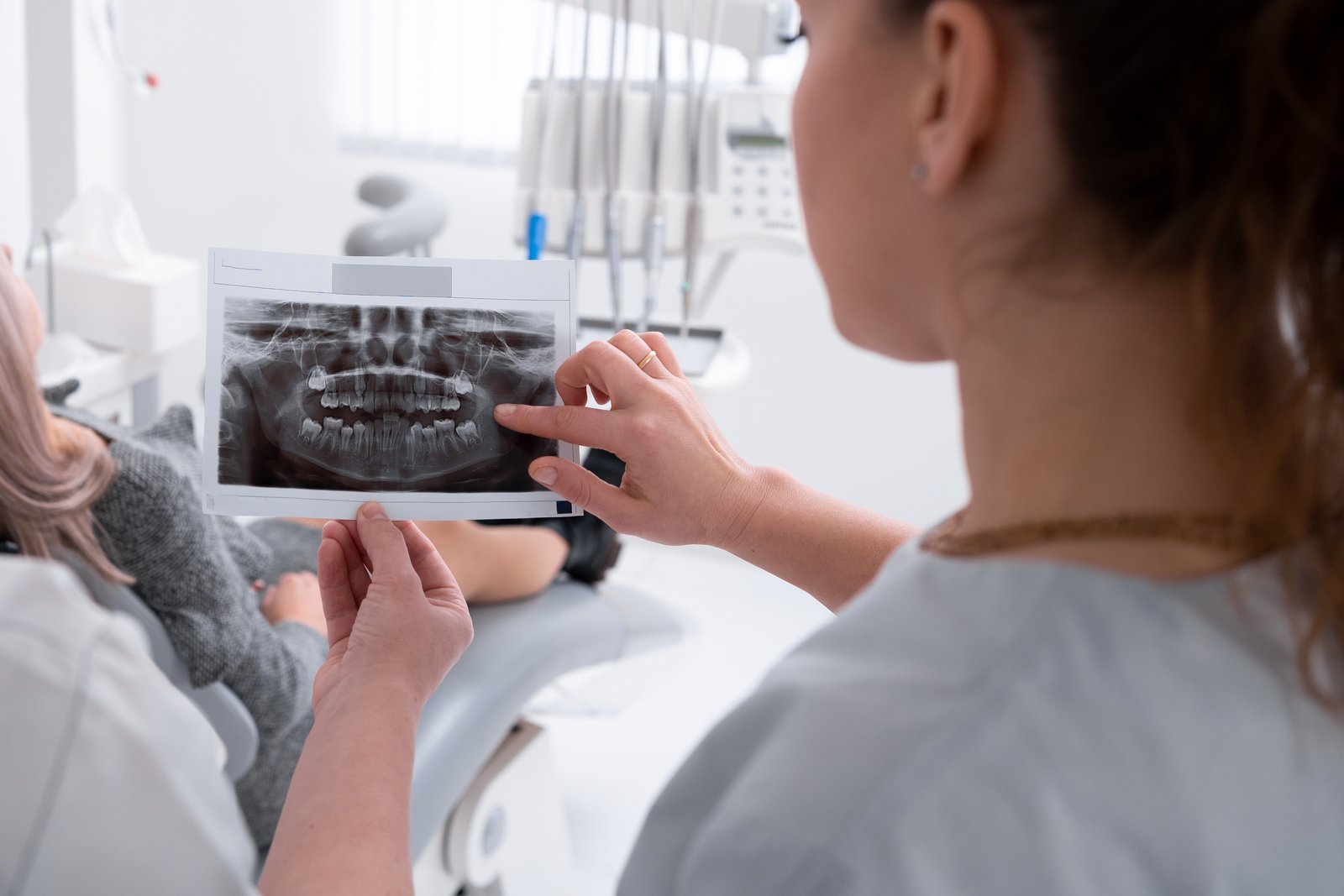
Dr. Church uses cone beam CBCT imaging to assess your full dental structure — teeth, roots, bone, and bite — before making any recommendation. That imaging gives a complete picture that a standard X-ray doesn’t, which matters for planning veneers that will hold up over time.
Realistic Expectations Matter
Candidacy isn’t purely clinical. It also involves understanding what veneers can and can’t do, and whether your goals match what the treatment delivers. Veneers address cosmetic concerns on the visible surface of your teeth — color, shape, minor chips, small gaps, and uneven edges. They don’t change the position of teeth, won’t resolve significant alignment issues, and won’t look right if the underlying tooth structure is compromised.
Part of the consultation at Church Family Dentistry is a candid conversation about expectations. Dr. Church uses digital smile design technology to show you a simulated preview of your projected result before any preparation begins. That preview often clarifies whether veneers will achieve what you’re picturing — and sometimes reveals that a different treatment path would get you there more effectively.
What the Candidacy Evaluation Looks Like at Church Family Dentistry
During your consultation, Dr. Church reviews your periodontal health, checks for active decay or failing restorations, assesses your enamel thickness, evaluates your bite, and discusses any habits like grinding that could affect longevity. Cone beam imaging adds a three-dimensional view of your dental structure that informs the plan.
From there, he gives you a clear picture of where you stand — whether you’re a straightforward candidate, whether there’s preparatory work to do first, or whether a different treatment might serve your goals better. Nothing is recommended before that evaluation is complete.
If you’re wondering whether veneers are right for your smile, the best next step is a consultation. Contact our Durham office to schedule time with Dr. Church. Financing is available through Cherry, Sunbit, and Proceed for patients who are ready to move forward.
Frequently Asked Questions About Porcelain Veneer Candidacy
Can I get veneers if I have gum disease?
Not until the gum disease is treated and stable. Active gum disease affects the tissue and bone supporting your teeth, which creates an unstable foundation for any cosmetic restoration. Once gum health is restored and maintained, veneer candidacy can be reassessed. Dr. Church evaluates periodontal health as part of every cosmetic consultation.
Do I need to stop grinding my teeth before getting veneers?
Not necessarily stop, but the habit needs to be managed. A custom nightguard significantly reduces the stress placed on veneers during sleep, which protects the porcelain over time. For patients with more significant grinding or an associated bite issue, Dr. Church may recommend addressing that first. The goal is to place veneers in conditions where they’ll hold up long-term.
What if my teeth are crooked — can veneers fix that?
Veneers can improve the appearance of mildly uneven teeth, but they don’t move teeth or correct significant crowding or misalignment. For patients whose primary concern is alignment, clear aligner therapy is usually the better starting point. In many cases, aligners and veneers work well together — aligners first to position the teeth correctly, then veneers to refine the final result.
How do I find out if I have enough enamel for veneers?
This is assessed during your clinical evaluation. Dr. Church uses cone beam CBCT imaging alongside a direct clinical exam to evaluate the thickness and condition of your enamel. Patients with significant acid erosion, long-term grinding, or prior aggressive dental work may have reduced enamel, which affects bonding quality and longevity. If enamel levels are a concern, Dr. Church will explain what that means for your specific situation and what alternatives may apply.
Is there an age requirement for porcelain veneers?
Veneers are generally recommended for adults whose teeth have fully developed — typically after the late teens. For younger patients, the pulp chamber inside the tooth is larger, which makes preparation riskier. There is no upper age limit; what matters is the health of your teeth and gums, not your age. Dr. Church evaluates each patient individually rather than applying blanket age criteria.
ABOUT THE AUTHOR
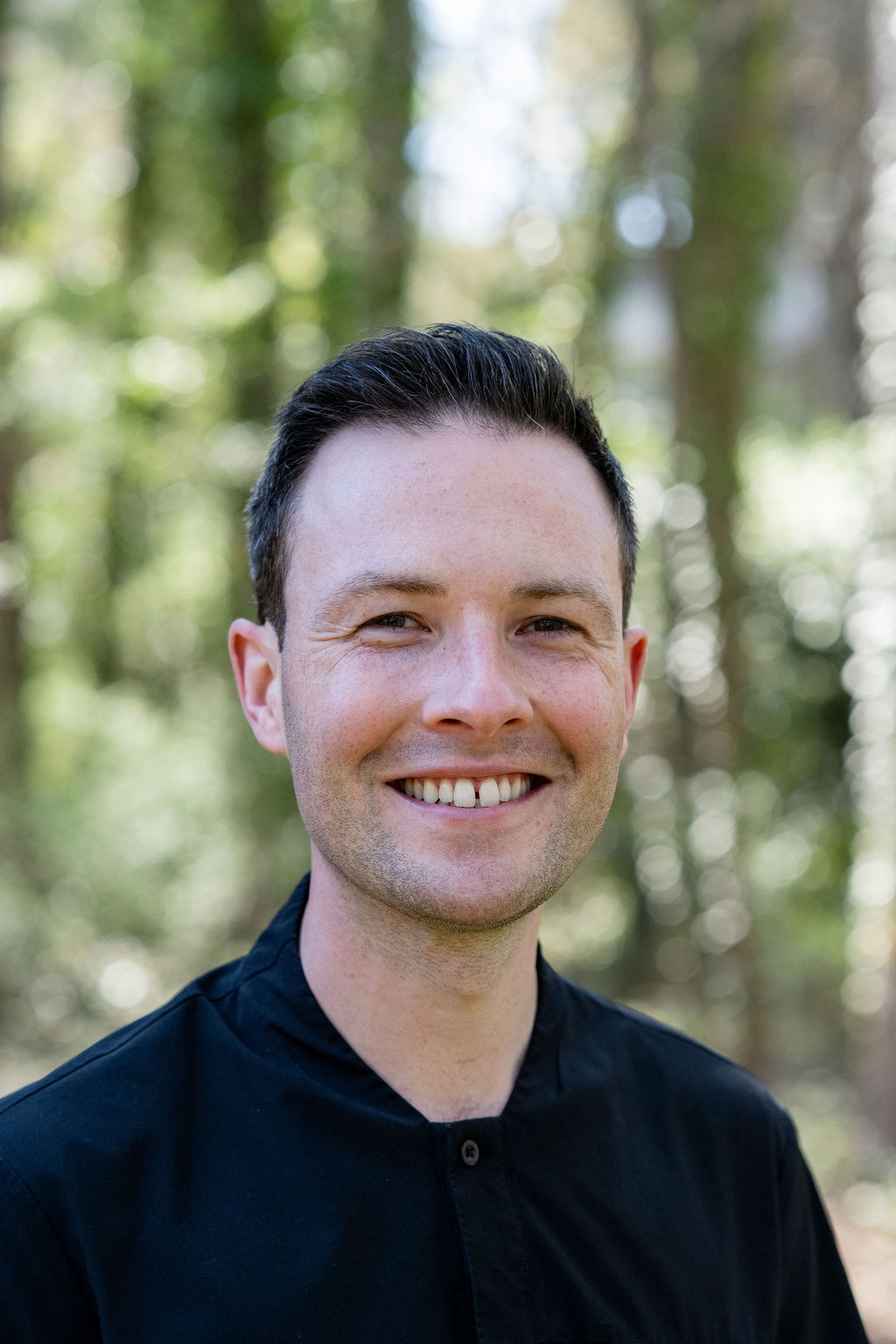
Dr. Will Church, DDS
Dentist at Church Family Dentistry & Cosmetics, Durham, NC
Dr. Will Church earned his dental degree from UNC School of Dentistry and founded Church Family Dentistry & Cosmetics in Durham, NC. He uses advanced cone beam imaging technology and takes a patient-first approach to every treatment, listening carefully before recommending any procedure. Dr. Church serves the Durham community with comprehensive cosmetic and restorative dental care.